Implications of Majestic Evidence on the UFO ‘We Don’t Know’ Narrative
The Mainstream UFO Narrative: “We Don’t Know”
For decades, the prevailing official stance on unidentified flying objects – now often termed UAP (unidentified aerial phenomena) – has been one of uncertainty. Government and scientific authorities typically assert that while unusual sightings occur, “we don’t know what UAP are” and there is “no evidence” they are extraterrestrialhindustantimes.com. For example, a 2023 NASA report led Administrator Bill Nelson to emphasize that while no alien origin had been proven, the phenomena remained unexplainedhindustantimes.com. Prominent scientists like Neil deGrasse Tyson have echoed this agnostic refrain, stressing that when it comes to aliens or UFOs, “we don’t know” – implying the evidence is inconclusive and further data is neededhindustantimes.com. This mainstream narrative of ambiguity has kept the UFO topic in a limbo between curiosity and skepticism.
Such a cautious position, summed up as “we don’t know,” has dominated scientific, media, and government discourse. It paints UFOs as one of Earth’s “greatest mysteries” and underscores the lack of “high quality data” for definitive conclusionshindustantimes.comhindustantimes.com. In practice, this means officials and experts consistently relay that no “smoking gun” proof of alien craft exists, urging patience and more research. While this stance is intellectually honest in the absence of confirmed evidence, it also frustrates UFO enthusiasts and the public, who have grown accustomed to hearing tantalizing reports followed by official indifference or denial. Into this arena enters Majestic Evidence: UFO’s From the Sensational to the Scientific, a book that pointedly aims to shatter the “we don’t know” narrative and replace it with a bold assertion: we do know – and here’s the proof.
Majestic Evidence: Replacing Uncertainty with Answers
Author James Welsh’s Majestic Evidence positions itself as nothing less than a paradigm-shifting exposé on UFOs. In stark contrast to the usual ambiguity, the book claims to deliver “the final definitive conclusive answer to the UAP question”, asserting that alien life and craft do exist and have been hiding in plain sight. Welsh argues he has uncovered “hard evidence” of extraterrestrial spacecraft in NASA’s own archives and linked “the last eighty years of UFO activity to a common source,” effectively blowing the lid off a decades-long cover-up. According to the book, humanity is “not alone” – alien technology is real, has been observed and even partially understood, and institutional authorities have known more than they let on. In the author’s words, “the UFO question has been definitively answered”: alien craft are real, their technology has been demystified, and the only mystery is why officials keep feigning ignorance.

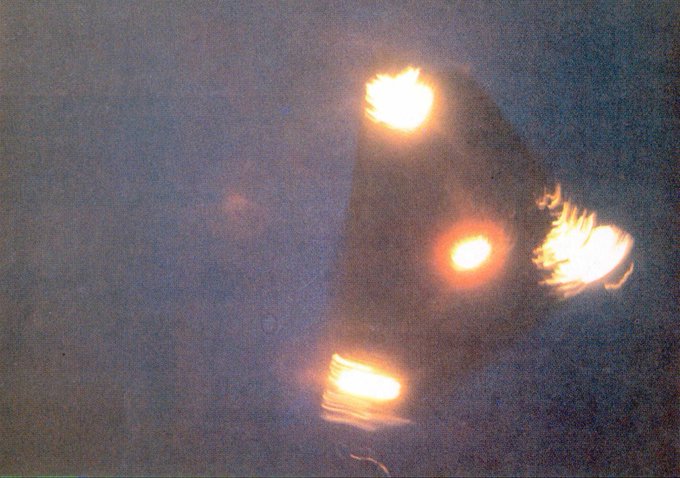
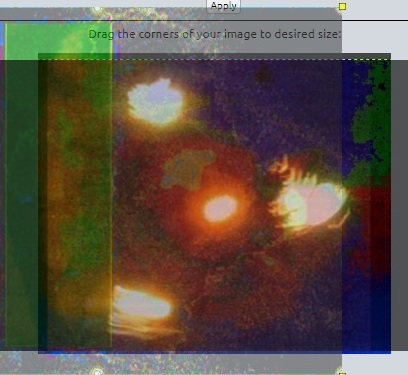
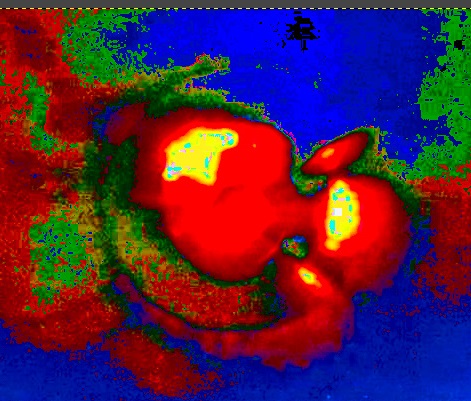
Key claims and evidence presented in the book include:
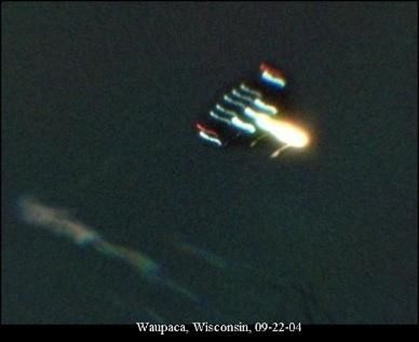
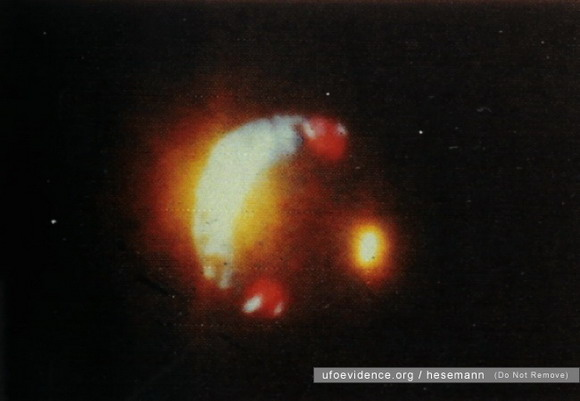
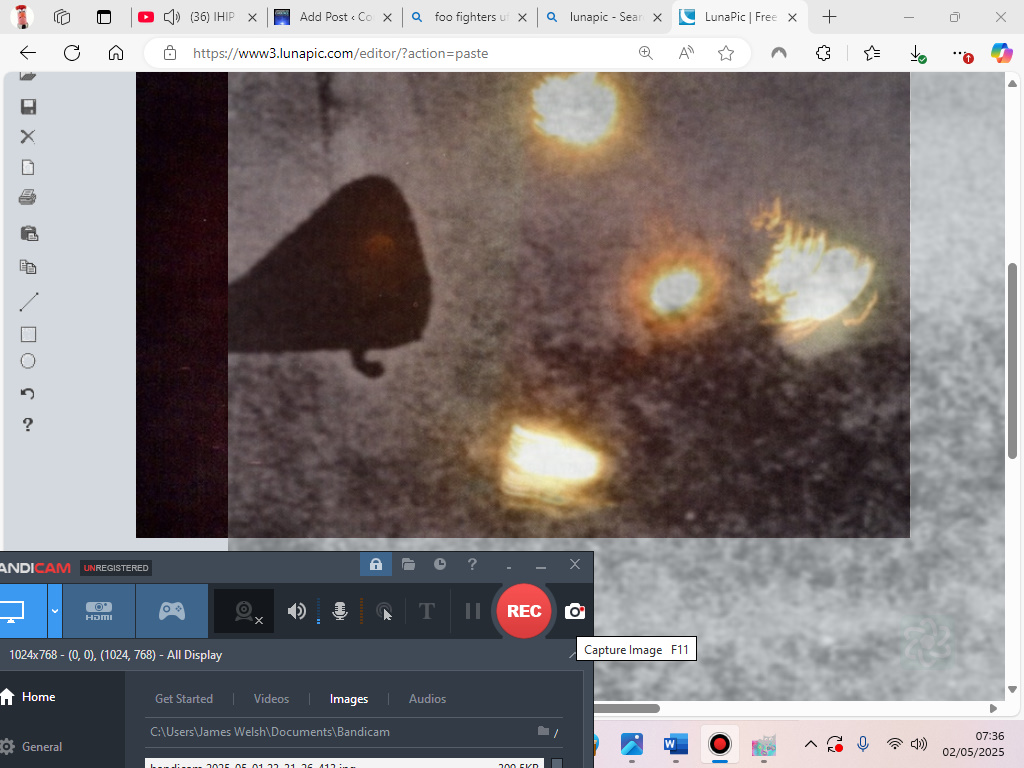
- Photographic Proof of UFOs: By painstakingly analyzing NASA space mission imagery and video, Welsh purports to have found “solid, structured alien spacecraft” captured on camera in Earth’s orbit. For instance, he highlights a 1999 Space Shuttle mission (STS-103) frame showing a disc-like object, which NASA once dismissed as a mere reflection – a claim he contests with enhanced images and analysis. Far from one isolated image, Welsh reports discovering an entire fleet of anomalous craft. By January 2025 he had “positively identified” 16 individual UFO “drones”, some of which appear repeatedly across NASA mission archives and even connect to famous ground sightings. These objects, he argues, are too symmetric and consistent to be glitches or dust, reinforcing his claim that genuine alien craft have been documented by our space agencies.
- Reverse-Engineering Alien Technology: Welsh asserts that by obsessively scrutinizing these images, he was able to infer how these UFOs work. He claims he “reverse engineered not just the theory, but the literal blueprint of these craft” purely from the visual evidence. Throughout the book he teases a “big drop” revelation about alien propulsion, ultimately declaring that “the technology has been demystified” and the “secrets of the saucers have been revealed”. Notably, he pointedly rejects earlier sensational hypotheses – for example, he labels the famous Element 115 anti-gravity engine story a “fantastic fable” now debunked. Instead, Majestic Evidence offers a more down-to-earth model for UFO flight, derived from known physics principles (the author references fluid dynamics and electromagnetic plasma) and patterns observed in the footage. While the book stops short of providing engineering schematics, Welsh insists he has conceptually cracked the energy generation principles behind these craft and could teach others, under the right circumstances, to replicate aspects of the technology.
- Exposing Institutional Deceit: Underlying all of Welsh’s technical claims is a scathing accusation that government, military, and scientific institutions have lied about UFOs for decades, perpetuating a false air of uncertainty. The book dubs itself a “forensic wrecking ball” against “decades of deception, propaganda, lies, staged events and half-truths” in official UFO lore. Welsh documents how numerous officials – from NASA administrators to White House press secretaries, FAA spokespeople, SETI scientists, and celebrity astronomers – have all toed the same line: “We don’t know what these lights in the sky are.” Majestic Evidence reproduces quotes from figures like NASA’s Bill Nelson, astrophysicist Neil deGrasse Tyson, and SETI’s Jill Tarter, each reassuring the public of their bewilderment regarding UAP. He then contrasts these public denials with the trove of evidence he’s compiled, arguing “someone must be lying” given the weight of what’s observable in official records. In one example, Welsh shares correspondence from the UK’s Ministry of Defence: after he reported his own close-range UFO encounter in 1999, the MoD replied with a form letter claiming no knowledge of anything unusual. Yet Welsh later found NASA shuttle photos from that same period showing unexplained craft in orbit, a juxtaposition that implies a coordinated policy of denial across agencies. The book even references historical cover-up milestones – from the CIA’s 1953 Robertson Panel, which recommended debunking UFO reports, to recent Pentagon UAP programs – to argue that while officials publicly feigned ignorance, they privately collected data. According to Welsh, this goes beyond mere secrecy: he alleges a deliberate campaign of disinformation. At the extreme, he posits a “global MK-Ultra” style psychological operation aimed at manipulating public perception of UFOs, as well as a “hundreds of millions of dollars donations scam” built on keeping ufology an endless, ambiguous mystery. In his view, the oft-repeated “we simply don’t know” refrain is not an honest admission of ignorance but a carefully crafted lie.
Together, these claims amount to a comprehensive inversion of the mainstream UFO narrative. Instead of mystery and modesty, Majestic Evidence offers certainty and accusation. The book contends that UFOs have moved “from the sensational to the scientific” – no longer relegated to blurry photos and tall tales, but confirmed by hard data and explainable in concrete terms. And if Welsh is correct, the implications are profound: humanity is already interacting (even if unwittingly) with extraterrestrial technology, and those in power have gone to great lengths to hide it. The remainder of this analysis will explore how the book’s evidence and confrontational tone ripple across scientific circles, media coverage, and government policy – effectively challenging each arena to abandon ambiguity. We will also assess how Majestic Evidence tries to create a new UFO paradigm and what that means for disclosure efforts, public trust, and future investigations.
Photographic Analysis: Scrutinizing NASA’s Archives
One of Welsh’s primary strategies to replace speculation with substance is his deep dive into photographic evidence. The book describes an almost obsessive trawl through NASA’s publicly available mission archives, especially Space Shuttle and space station imagery from the late 1990s. In Welsh’s account, a breakthrough came when he “ethically hacked” a NASA server in 2012 by adjusting URL parameters, revealing unindexed photo frames that weren’t in the official catalogs. In those hidden images, he claims, lay the smoking gun: a “solid, structured alien spacecraft in orbit” during the STS-103 mission in December 1999. This discovery is portrayed as the “Rosetta Stone” that unlocked the UFO cover-up. By following that clue and others, Welsh says he uncovered “an entire fleet” of similar objects in space and even “deciphered their nature” – meaning he determined these were not space debris or camera artifacts, but actual craft under intelligent control.
Crucially, Welsh did more than point at strange blobs on film; he documents how he cross-referenced the images with real-world UFO sightings. For example, he recounts a specific UK sighting by a family (pseudonymously called “Colin and his family”), where a craft seen up close on the ground had a distinctive design. Welsh then shows that “the particular design of [the] craft observed… has been identified on NASA’s own public records”. In other words, the UFO that startled a family in Britain appeared to be the same type of object captured streaking through space on a NASA mission. This kind of correlation – matching eyewitness reports to spaceborne imagery – is presented as a forensic triumph. It suggests a continuity between the bizarre things people see in the sky and the anomalies recorded by astronauts, strengthening the case that these are real, physical objects.
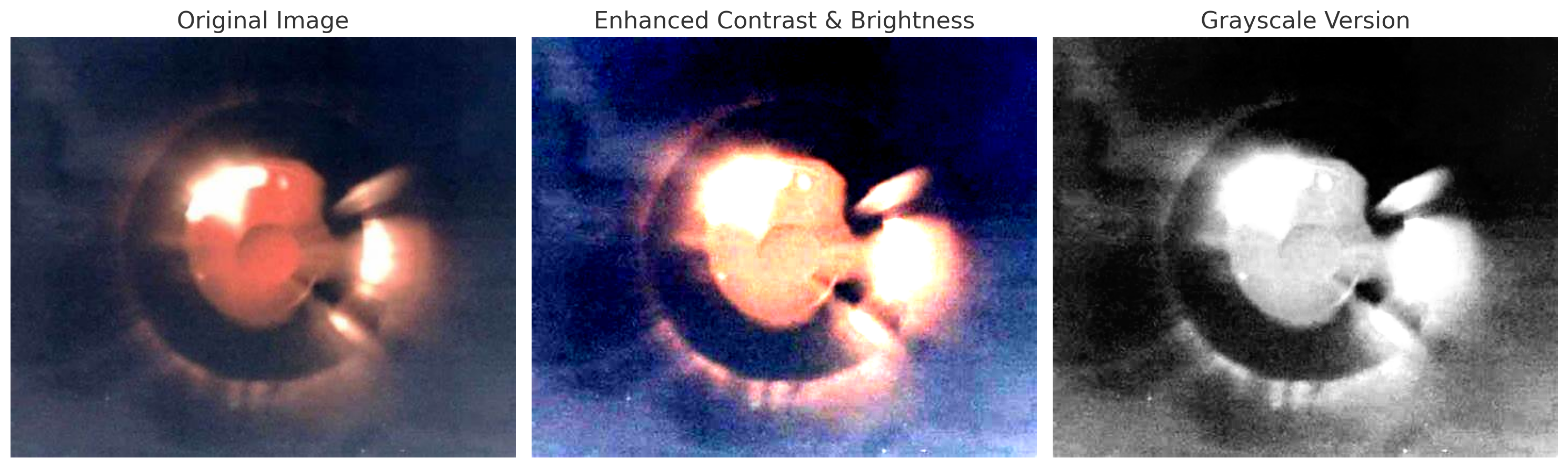
Welsh provides granular details to back up his photographic analysis. He cites specific NASA frame IDs (for instance, “STS103-734-69”) and explains his methodology: adjusting brightness and contrast, stacking adjacent frames, and looking for persistent shapes that move across multiple shots. One cited object from STS-103 was officially dismissed by NASA as a lens “reflection,” but Welsh notes it appears at different angles in successive frames – evidence, he argues, that it was no reflection at all but a solid craft shadowing the shuttle. He makes similar arguments for other mission videos where unusual orbs and disc-like forms zip by. By ruling out common “prosaic explanations” (dust, lens flares, ice crystals, etc.) through image enhancement and consistency checks, the book asserts these photographs meet scientific standards of evidence. Indeed, Welsh emphasizes that he stuck strictly to public, unclassified data – “raw STS and ISS mission photographic documentation directly from [NASA’s] own servers” – precisely so that skeptics can verify his work. The sheer volume of imagery and analysis in Majestic Evidence is unusual for a UFO study, lending it a veneer of rigor. As one reviewer noted, the book is “loaded with… NASA archive finds… that one won’t see in more superficial treatments”. This approach shifts the UFO discussion from grainy tabloid photos to potentially checkable, reproducible analysis of official material, thereby challenging scientists and skeptics to at least examine the data.
That said, whether the photographic evidence is truly conclusive remains debatable. Critics might argue that even strange-looking images can deceive; a “blurry space photo” might not unequivocally be alien. Majestic Evidence anticipates this pushback. Welsh includes rebuttals to likely counter-arguments – for example, meticulously demonstrating that the STS-103 anomaly cannot be an internal reflection by mapping its movement. He even preemptively labels skeptics as “keyboard warriors” and uses their expected cynicism as motivation: each doubt raised drove him to dig up more proof and “strengthen his case”. By correlating multiple lines of evidence – visual data, witness testimony, declassified documents – Welsh constructs a cumulative argument that is harder to dismiss outright. The net effect is a challenge to the scientific community: if an independent researcher can gather this much empirical evidence of something unexplained, can the mainstream continue to shrug and say “we don’t know”? Welsh’s answer is clearly no – he believes the evidence meets the threshold of discovery, and that continued denial is a willful choice rather than a careful conclusion.
Reverse-Engineering the “Saucers”
Perhaps the most astonishing aspect of Majestic Evidence is its claim that not only can we observe alien craft, but we can begin to understand their technology. Welsh describes how years of pattern recognition and technical sleuthing allowed him to infer the operating principles of these UFOs from afar. By closely analyzing how the objects maneuvered in NASA videos – their accelerations, glowing halos, and flight dynamics – and applying known physics, he posits that one can deduce the basics of their propulsion. In fact, Welsh writes that by “gluing [him]self to the raw evidence,” he was able to “reverse engineer… the literal blueprint” of the craft. While he does not reveal every detail in print (likely to guard his claim and because a book is not a lab), he asserts that the underlying energy and propulsion principles are identifiable and even reproducible. In later chapters, he tantalizingly claims “I cracked the alien technology energy generation principles” and that the book will explain “how to engineer advanced alien technology”. Essentially, Welsh is saying he solved the puzzle of what makes UFOs tick.
This stands in stark contrast to the exotic theories that have long swirled in UFO lore. Welsh pointedly dismantles ideas like gravity-defying element fuels and otherworldly physics popularized by alleged insiders (for example, Area 51’s Bob Lazar and his Element 115 story). He calls such tales “false trails” now “dustified” by actual evidence. In his analysis, the truth is more scientific and less magical – advanced but comprehensible. The text hints that electromagnetism, plasma, and fluid dynamics are key to the craft’s operation. One metaphor has the author noticing the shape of a household blender or an egg tray, which unexpectedly gave him insight into the UFO’s design. This suggests that the craft’s engineering might analogously mirror familiar principles in clever ways. Welsh’s process seems to have been part rigorous analysis, part inspired intuition – seeing a pattern click into place after years of obsessive focus.
To a scientist, of course, claiming you’ve reverse-engineered alien tech from images alone triggers healthy skepticism. Welsh acknowledges that he is asking readers to trust his expertise up to a point, given that he cannot hand over a working engine or a schematic in the book. The narrative is more “conceptual explanation wrapped in storytelling” than a formal engineering paper. The author’s credibility here rests on his 25-year investigative track record and the copious data he provides, rather than on reproducing an experiment. He effectively says: believe me, I’ve done the homework and figured it out. For some, that will be compelling – especially given the consistency of the evidence presented. For others, it remains a “take my word for it” scenario that falls short of proof. As one analysis put it, Welsh’s book lacks technical diagrams or equations; there is “an element of ‘take my word for it, I figured it out’ – which, given the secretive context, is perhaps unavoidable”.
Nevertheless, the implication of his reverse-engineering claim is revolutionary. If an independent researcher truly has discerned the workings of alien craft, then the scientific community has a duty to investigate and validate these findings. It would mean we are no longer in the realm of pure speculation about UFOs, but at the dawn of actual aerospace breakthroughs gleaned from them. Welsh even implies he could guide development of this technology if given the chance, or at least that humanity now has enough clues to start learning from the saucers. This forms a key part of the book’s new paradigm: rather than groping in the dark with “we don’t know,” we could begin replicating aspects of UFO capabilities. That is a dramatic shift in mindset – from ignorance to actionable knowledge. Yet it’s also where Welsh asks for considerable trust, because without independent corroboration (say, by other engineers or scientists reproducing his work), these reverse-engineering claims remain intriguing hypotheses. As the book itself admits, “one cannot easily test his conclusions without access to the same data and perhaps specialized knowledge”. In short, Majestic Evidence cracks open the door to scientific understanding of UAP, but it also challenges scientists to walk through that door and verify what’s on the other side.
Allegations of Cover-Up: “Decades of Deception”
Welsh’s crusade is not only against unidentified phenomena, but against the institutions that, in his view, intentionally keep them unidentified. A central theme of Majestic Evidence is that the ignorance is feigned – that governments, militaries, and even certain media and UFO community figures have actively deceived the public to maintain the illusion that “we don’t know.” The book documents a pattern of official behavior that it interprets as a cover-up. For example, Welsh highlights how, within a short span, a chorus of high-profile voices all delivered remarkably similar talking points downplaying UAPs. NASA’s Administrator said there’s no proof of ET but “we don’t know what they are”; the head of the U.S. Space Force echoed that uncertainty; prominent astronomers and SETI scientists gave almost rehearsed responses about lack of evidence. To Welsh, this is too coordinated to be coincidence. He suggests these figures are following a script designed to mollify public curiosity while withholding inconvenient data. When everybody from the Pentagon to celebrity scientists is saying “nothing to see here, move along,” Welsh argues it smacks of a cover story. And with his discovery of substantial evidence, he pointedly writes, “they must have been coordinating a lie”, since the data “was there to know” if one looked.
The book doesn’t stop at general suspicion; it names names and calls out specific incidents of apparent misinformation. One striking example involves the media’s role: Majestic Evidence discusses how The New York Times in 2017 broke the story of a secret Pentagon UFO program (AATIP), yet framed it narrowly, implying the program mainly studied military UFO encounters from 2004 onward. Later, figures like former Senator Harry Reid clarified that AATIP had a broader mandate and decades-long roots. Welsh seizes on this to show how even when something real slips out (like the existence of AATIP), the full scope remains obscured by half-truths or understatements in the press. He extends this critique to UFO “whistleblowers” and personalities: from his perspective, some are credible but many are distractions or frauds. Early in the book, he aggressively debunks the claims of Larry Warren (an alleged witness in the famous 1980 Rendlesham Forest UFO case), showing evidence that Warren forged documents and concocted stories. He derides a recent film that gave Warren a spotlight as “ufological necromancy” – resurrecting a long-debunked lie. By doing so, Welsh establishes that disinformation can come from inside the UFO community as well, not just from government. In his view, sensationalists, hoaxers, and even some well-known UFO “experts” have muddied the waters for personal gain or out of incompetence. This scorched-earth approach to falsehood gives Majestic Evidence a uniquely self-policing credibility: Welsh wants to clean house in ufology so that real evidence can shine.
The narrative builds to direct confrontation with authorities. By the final chapters, Welsh shifts into what he calls “revelatory mode,” summarizing his findings in bold bullet points and issuing an impassioned call to action. The book closes with an open letter addressed to major media outlets and government authorities, urging them to investigate the presented evidence and warning that a “public enquiry and a criminal investigation” into the UFO cover-up are long overdue. This is essentially a demand for official disclosure and accountability. Welsh is saying: here is the evidence of alien craft and here are receipts of your deception – it’s time to come clean. The tone is almost confrontational, serving notice that those who continue to hide the truth should be wary. Indeed, Welsh even quotes an Acting FBI Director’s recent statement about prosecuting anyone who breaches national security, implying that UFO secrecy might soon carry legal consequences. In essence, Majestic Evidence attempts to flip the script: instead of citizens begging the government to tell us what it knows, the book asserts the truth is already out (thanks to whistleblowers and independent research) and now it’s the government’s turn to respond. This confrontational stance challenges the government discourse directly – it calls official bluff on “we don’t know” and demands disclosure on the book’s terms. Whether government entities will engage or simply continue the silence remains to be seen. But the gauntlet has been thrown down, backed by hundreds of pages of what Welsh considers “bulletproof and watertight” documentation.
Tone and Rhetorical Style: A Forensic Wrecking Ball
The tone of Majestic Evidence is as noteworthy as its content. Welsh writes not as a detached academic, but as a man on a mission – alternatively a detective, a crusader, and at times a provocateur. The book’s style is unapologetically fiery and confrontational, bristling with frustration at what the author calls “the decaying smell of sensationalism hovering around Ufology”. Instead of the measured, cautious language one might find in a scientific report, Welsh unleashes colourful metaphors and biting sarcasm to drive his points home. For instance, he likens his manuscript to a Star Wars warship, a “fully armed Hammerhead Corvette” ramming the gates of NASA’s figurative fortress. In a cheeky Marvel allusion, he dubs the book a “Thanu-script,” claiming it has “the power to snap ‘we don’t know’… out of existence” – a reference to the villain Thanos’s snap instantly wiping out uncertainty (and perhaps those who peddle it). Such grandiose imagery underscores Welsh’s self-assured belief that his work delivers a fatal blow to the UFO cover-up. He does not shy away from hyperbole; on the contrary, he wields it as a rhetorical weapon.
Humor and ridicule are also prominent in the book’s arsenal. Welsh has a penchant for turning acronyms and official jargon into punchlines. A telling example is his treatment of the Pentagon’s former UFO program, AATIP. Instead of accepting it at face value, he jests that AATIP really stands for “Another Attempt To Impart Piffle,” twisting the acronym into an insult. This quip encapsulates his view that even supposedly serious government efforts have produced mostly nonsense (piffle) and obfuscation. Likewise, he lampoons the endless parade of officials saying “we don’t know.” In one memorable riff, he strings together a litany of “We don’t know. We don’t know. We don’t know.” from different press conferences, highlighting what he sees as the absurdity of authorities claiming ignorance in lockstep. The effect is at once comedic and scathing – it positions those officials as either clueless or dishonest, neither of which flatters them.
This take-no-prisoners approach is double-edged. On one hand, many readers might find it refreshing. Welsh is voicing what a lot of UFO enthusiasts feel: exasperation at years of cover stories and fantastical distractions. He is willing to call out “lies and incompetence” wherever he sees them – be it a “tight-lipped official,” a “sloppy journalist,” or a “fame-seeking ‘whistleblower’” in the community. Such frankness and willingness to “name names” gives the book an air of authenticity and courage; it doesn’t pull punches to spare anyone’s ego. Readers who have long suspected a cover-up may cheer to see NASA administrators, defense officials, and UFO charlatans all put on the spot and “skewered” by Welsh’s sharp tongue. The passion and zeal permeating the text can be infectious – it feels like an angry trumpet blast meant to wake people up. In a field where many books rehash old cases in polite tones, Majestic Evidence stands out as a rallying cry for truth, with a protagonist who clearly has “had enough.”
On the other hand, this aggressive style may alienate some audiences. Readers expecting a reserved, academic analysis might be taken aback by Welsh’s barrages of barbed comments and pop-culture asides. The personal attacks and occasionally self-congratulatory tone could strike more conservative ufologists or scientists as unprofessional, potentially undermining the gravity of his revelations. For instance, while debunking hoaxer Larry Warren is arguably a necessary housekeeping, Welsh’s triumphal language in doing so (calling him a “Jabberwocky” and his supporters a “gaggle of lobotomised bloggers”) veers into ad hominem territory that critics could seize upon. The author’s confidence occasionally crosses into evident self-assurance that his work is the turning point in history – he repeatedly suggests that future historians will see this book as when “UAP amateur night… was permanently cancelled” and the truth finally came out. Sceptical readers might roll their eyes at such pronouncements, feeling that extraordinary claims delivered with a heavy dose of ego require extraordinary proof to back them up.
In summary, the tone of Majestic Evidence is a high-risk, high-reward gambit. It sacrifices broad academic appeal in favor of rallying the frustrated and hammering the corrupt. This stylistic choice itself influences the discourse around UFOs: it challenges the norm of treating the topic with either giggly sensationalism or dry agnosticism. Welsh instead demonstrates a third approach – incensed rigor – essentially saying if everyone had just done their jobs honestly, we wouldn’t be here; now watch me bulldoze through the nonsense. Love it or loathe it, this tone ensures the book cannot be easily ignored. It injects urgency and personality into a debate often mired in technical reports or conspiracy cliché. By being polarizing, the book forces people to take a stance – either to agree that it’s a long-awaited truth-telling, or to push back and defend the establishment’s caution. In either case, the conversation shifts from “Do UFOs have any evidence?” to “Look at all this evidence – is it real and have we been lied to?” That in itself is a significant reframing.
Impact on Scientific Discourse
How does the scientific community respond to a book that claims to solve what they have not? Majestic Evidence arrives at a time when scientists are gradually warming to the idea of studying UAP (NASA’s 2023 panel, for example, urged collecting better data rather than dismissing the topichindustantimes.com). Welsh’s trove of imagery and analysis could, in theory, be a treasure for scientists interested in anomalous phenomena. He provides mission timestamps, technical observations, and testable hypotheses (e.g. “if it was a reflection, it wouldn’t show up on two cameras at different angles”). This is a welcome change from typical UFO anecdotes, and it certainly injects a bold hypothesis into the conversation – namely, that there is already enough data to conclude aliens are here. At minimum, the book challenges scientists to “take a closer look at the overlooked data” it spotlights. Even those who doubt Welsh’s conclusions may feel compelled to refute or replicate his findings, which means engaging with the evidence rather than ignoring it. In that sense, the book could stimulate a more empirical approach to UFOs within scientific discourse, prodding researchers to examine NASA archives or re-analyze old videos with fresh eyes.
However, we must temper this with realism. As the book itself acknowledges, established scientists and officials are unlikely to concede their “we don’t know” stance overnight because of one outsider’s book. The scientific method demands independent verification, and extraordinary claims require extraordinary evidence. Welsh’s documentation, while extensive, will be rigorously scrutinized (if not outright dismissed by default skeptics) before it sways mainstream science. Researchers will question: Have these images truly captured something alien, or could there be an overlooked conventional explanation? Could Welsh’s reverse-engineering ideas be tested or simulated? Is there a possibility of bias or seeing patterns where none objectively exist (pareidolia)? These are the kinds of questions scientists will ask. The book’s confrontational tone might also make some scientists wary – feeling that Welsh has already decided the answer (aliens) and thus may have fallen prey to confirmation bias in his analysis. For those inclined to doubt, Majestic Evidence could be seen as a well-researched but ultimately one-sided brief, assembling evidence only in service of its thesis.
Nonetheless, even skeptics might acknowledge that Welsh has moved the needle by compiling far more concrete data than most UFO proponents do. As one review noted, he provides “more than mere anecdotes or secondhand stories”, giving readers plenty of specific information to chew on. This means the discussion can shift to evaluating that information’s interpretation rather than arguing if any evidence exists at all. It raises the bar for scientific engagement: anyone claiming “there’s nothing to UFOs” now has to address the kind of photographic and correlational evidence Welsh brings forward. In this sense, the book’s impact on scientific discourse is to force a more detailed debate. It is telling that Welsh anticipates experts will either “recalibrate or become impotent” when faced with his “bombshell evidence” – in other words, he expects some open-minded scientists might adjust their views, while others who cling to “we don’t know” will lose credibility. That may be optimistic, but it underlines his intent to provoke a response.
So far, mainstream science has not publicly embraced Welsh’s conclusions. There has been no announcement from NASA or university labs that Majestic Evidence solved UFO propulsion. However, the book arguably contributes to a shift already underway: treating UAP as a subject worthy of serious inquiry. It aligns with the call to go “from sensationalism to science” in studying UFOshindustantimes.comhindustantimes.com – ironically, the very phrase NASA used in 2023 to describe its approach. Welsh would contend he is doing exactly that: replacing wild speculation with empirical analysis. If nothing else, Majestic Evidence may inspire scientifically minded readers to conduct their own investigations (e.g. accessing NASA image servers, applying image processing techniques, cross-referencing databases) to either validate or debunk his findings. Over time, should parts of his evidence hold up under scientific replication, the book could be seen as a catalyst that helped transform UFO research into a more data-driven field. Until then, the scientific discourse will likely remain cautious – intrigued by the data but unconvinced by the grandest claims without further proof. As one segment of the review wisely noted, Welsh’s compilation is “still short of what mainstream science would require to declare ‘alien life confirmed.’” He has no alien body or material sample, only a “mountain of corroborating evidence” and a passionate argument. For many scientists, that mountain will need to be climbed (or verified) independently before they join Welsh in saying the question is answered.
Impact on Media Discourse
The media’s handling of UFOs has traditionally swung between ridicule, mild intrigue, and the occasional serious investigative piece. In recent years, outlets like The New York Times, Washington Post, and 60 Minutes have started treating UAP reports as legitimate news, especially after military pilots came forward with cockpit videos. Yet even these stories often conclude with the familiar: “the government says there’s no evidence of aliens; the mystery remains.” Majestic Evidence confronts the media on two fronts. First, it provides a wealth of concrete information that journalists could dig into – frame numbers, named officials, declassified memos, etc. If a diligent reporter wanted to verify Welsh’s claims, the breadcrumbs are there, which is unusual in UFO literature. Second, Welsh directly criticizes the media for its role in perpetuating what he calls UFO “piffle.” He singles out certain journalists and publications that he believes have uncritically promoted dubious stories or framed the narrative to downplay what’s really known. For instance, the book thanks (ironically) journalist Leslie Kean and her editor at the New York Times for providing the “wind in his sails” – implying that their initial limited hangout on AATIP spurred him to reveal the bigger picture. He also lambasts sensationalist filmmakers and UFO “mega-fans” who focus on the wrong cases or accept hoaxes, thereby muddying the waters. In effect, Welsh holds a mirror up to the entire “ecosystem of UFO discourse, including the media and even the UFO community itself,” highlighting that misinformation comes from all sides – not just government, but also from journalistic lapses and self-promoters in ufology.
By doing so, Majestic Evidence implicitly challenges serious media to do better. The open letter at the book’s conclusion explicitly urges major media outlets to investigate the evidence presented. It’s a call for journalism to step up: instead of treating UFO stories as one-off novelties, treat this like any big investigative scoop – dig into NASA archives, press officials on the discrepancies Welsh highlights, ask hard questions about why certain information was ignored. If any mainstream reporters take up that challenge, it could further erode the “we don’t know” narrative by uncovering corroborating details or forcing officials to comment on Welsh’s claims. Even if the media remains skeptical, the book provides new angles for inquiry (for example, “NASA, can you comment on the STS-103 images showing an object that one researcher believes is an alien craft?”). At the very least, it gives journalists a more concrete story to cover: a claimant (with evidence in hand) who says a major discovery has been made and officials are dismissing it. That is a more tangible narrative than endless speculation about lights in the sky.
However, media response will depend on the book’s reach and perceived credibility. If Majestic Evidence gains a following or if portions of its findings are verified by independent parties, media interest could snowball. Conversely, if it’s seen as just another fringe conspiracy book (albeit a detailed one), mainstream outlets might largely ignore it. Welsh’s adversarial tone toward journalists – calling some “non-diligent UAP documentary filmmakers” or accusing outlets of enabling fraudsters – might not endear him to those very people who would amplify his story. Some journalists may bristle at the implication that they’ve been “jabberwocks” or complicit in a cover-up. In that sense, the book’s tone could be a barrier to media embrace: it doesn’t flatter them, it scolds them.
Despite that, the climate is shifting. There’s public appetite for UFO truth, and even a whiff of conspiracy (especially involving government deception) can be a strong news driver. Media coverage could frame Welsh as a whistleblower or contrarian researcher challenging the establishment. That narrative – the lone investigator who “solved UFOs” versus the stodgy bureaucracy that denied it – is compelling if packaged right. It resonates with the classic David vs. Goliath trope. Indeed, Welsh’s persona as the “lone Scotsman” who took on NASA and the Pentagon single-handedly for 25 years is itself newsworthy. Should a major outlet profile him or review his evidence objectively, it might force other media to follow, and thereby shift the Overton window of UFO discussion. No longer would a journalist be content to write “some lights were seen, officials say they don’t know”; they would also have to mention “however, a new analysis of NASA images claims those lights may be alien craft, raising questions about prior official statements.”
In summary, Majestic Evidence presses the media to move past superficial reporting to a deeper investigation of what’s known and what’s been hidden. It attempts to replace the sensational-but-vague UFO narrative (“mysterious lights, maybe aliens, government says no proof”) with a more pointed one (“researcher presents evidence of alien craft and accuses government of deception”). If the media takes that bait, even partially, the public discourse could shift towards expecting answers rather than accepting platitudes. If the media ignores it, Welsh has preemptively cast them as part of the problem – either way, he has altered the narrative: the press is now on notice that the usual shrug and smirk is not the only story in town.
Impact on Government and Disclosure Efforts
From a government perspective, Majestic Evidence is a provocative poke at the hornet’s nest of secrecy. Welsh’s direct accusations of lying and cover-ups put pressure on officials in a way that public UFO chatter often doesn’t. Most UFO claims can be dismissed by authorities with a simple “no comment” or by referring to ongoing studies. But Welsh is effectively accusing specific agencies (NASA, the Pentagon, intelligence bodies) of a long-term disinformation campaign. By compiling public records that show contradictions – for example, astronaut observations that conflict with official statements – the book lays groundwork that a savvy lawmaker or oversight body could latch onto. It’s not unlike how investigative journalists expose political scandals by collecting internal memos and statements that don’t add up. Here, Welsh has gathered public but overlooked pieces that, when combined, suggest the government hasn’t been truthful about UAP. If members of Congress, for instance, are inclined to believe there’s more to UFOs, Majestic Evidence arms them with pointed questions to ask at hearings: “Administrator X, in light of photographic evidence of unknown craft during NASA missions, how can you maintain that we have no evidence of UAP?” or “General Y, were you aware of the STS-103 incident when you stated publicly that nothing unusual has been found?” This could fuel calls for a new kind of disclosure, one focused on reconciling Welsh’s evidence with official denials.
The book’s call for accountability is explicit. It demands that institutions and individuals “face the music” now that, in the author’s view, “the truth is out.”. Essentially, Welsh is saying the era of plausible deniability is over – the evidence of alien presence is out in the open, so officials must drop the charade or risk being caught in a lie. By invoking terms like “public enquiry” and “criminal investigation” of the cover-up, the book appeals to the mechanisms of democratic accountability. It suggests that concealing extraterrestrial evidence isn’t just a harmless fib but potentially a grave wrongdoing against the public interest. This kind of rhetoric could resonate with a public increasingly suspicious of government transparency on this issue. We’ve already seen growing pressure for official disclosure (for instance, public congressional hearings on UAP in 2022 and 2023). Majestic Evidence pours gasoline on that fire by asserting the smoking gun is already here. If its claims were widely accepted, the logical next step would be an official reckoning: demands for NASA to release all UAP-related imagery, for the Pentagon to declassify secret programs, maybe even for legal action against officials who lied under oath about UFO knowledge.
Of course, that’s a best-case scenario from the author’s perspective. The government’s typical playbook is to stay silent or issue mild rebuttals. It’s likely that without overwhelming public or political pressure, agencies won’t engage with Welsh’s claims directly. The risk for them in acknowledging even a piece of it (say, admitting the STS-103 image is truly unexplained) is that it lends credence to his broader accusations. So one could expect an initial reaction of quiet dismissal – maybe a NASA spokesperson restating that “all shuttle footage anomalies were resolved as space debris or light artifacts” (even if that’s contested by Welsh’s work). However, the book’s existence means those denials can now be challenged with specifics. If a government official makes a blanket “no evidence” statement, journalists or activists armed with Majestic Evidence might respond: “What about the frames Welsh identified? What about the patterns he documented? Have you actually looked at that?” This could gradually erode the effectiveness of the generic “we don’t know” line, because it’s no longer credible to claim complete ignorance when concrete evidence is circulating publicly.
Interestingly, Majestic Evidence also addresses the internal impact on would-be whistleblowers and diligent personnel within government. Welsh’s harsh criticism of even celebrated whistleblowers like David Grusch (whom he suspects might be peddling disinfo or incomplete truths) sends a message that partial disclosure isn’t enough. He in effect challenges insiders: if you know something, now is the time to come forward fully, because the cover story is collapsing. If any corroborating witnesses or documents exist inside government files, the book raises the stakes for their eventual release. It paints the issue as coming to a head – either the government will proactively disclose or risk being exposed by external forces. This almost confrontational dynamic – an independent researcher versus the establishment – can influence government discourse by forcing a defensive posture. Already we see hints of this: in response to growing public interest, NASA appointed a Director of UAP Research and emphasizes transparency as a goalhindustantimes.comhindustantimes.com. Those moves can be seen as attempts to retain public trust. If Welsh’s narrative gains traction, agencies might take further steps like publicizing more data or issuing more detailed reports to maintain control of the narrative. Ironically, the very act of refuting Welsh (if they attempted it) would require them to discuss specifics they previously avoided – which again breaks the spell of “we simply don’t know.”
In short, the book’s effect on government discourse is to put them in an uncomfortable spotlight. It attempts to replace ambiguity with accountability, turning the UFO question from “What is it?” into “Who knew what, and why did they lie?”. While government officials might continue to officially profess uncertainty, Majestic Evidence ensures that a growing segment of the public and media will meet such statements with raised eyebrows. The narrative has shifted to one of potential institutional culpability. Even if the government maintains silence, the seed of doubt is planted: perhaps they do know, and now they have to prove they don’t via openness – a subtle but important change in the burden of proof. As the book trenchantly asks of those in power: now that an answer has been delivered, “What are they all now going to do about it?”.
A New Paradigm: From Mystery to Majestic Explanation
Taken together, the elements of Majestic Evidence – its claims of proof, its explanatory models, and its indictment of deception – form a new paradigm for how to think about UFOs. Traditionally, UFO narratives have thrived on ambiguity. The lack of clear answers allowed for endless speculation, from benign misidentifications to wild alien visitation theories, all under a cloud of uncertainty. Welsh attempts to blow that uncertainty away and replace it with a cohesive narrative structure: in his view, UFOs are not an unsolved mystery but a solved case. The pieces of the puzzle, scattered across decades, have been assembled into a comprehensive picture of what UFOs really are. This is a dramatic shift. It moves the conversation from open-ended to conclusive. Instead of myriad unrelated incidents and questions (“What about Roswell? What about Phoenix Lights? What about Navy pilots?”), Welsh asserts an overarching explanation tying them together – he even claims to map “connections between disparate UFO sightings over eight decades” and identify “who they belong to, and how they operate”. It’s a unified theory of UFOs, something ufology has never truly had (outside of speculative extraterrestrial hypotheses that lacked hard proof).
In Welsh’s paradigm, there is an answer to the “one big question,” and it’s been delivered. The title of the book itself – From the Sensational to the Scientific – implies that UFOs have graduated from tabloid fodder to an empirical subject with known parameters. This is empowering in a sense: it treats UFOs as something we can understand and even utilize (via reverse-engineering), rather than spooky unknowables. It also reframes the role of authorities: if the answer is known, then the key issue is dissemination and honesty, not discovery. The paradigm shifts from investigation to disclosure and application. In a world where Welsh’s ideas were accepted, the logical next steps would be figuring out how to integrate this alien technology, educating the public, and reorganizing institutions that mishandled the truth. That’s a very different agenda than the current mainstream, which is still stuck at “let’s figure out what these things are.”
However, creating a new narrative structure is not just about having answers – it’s also about convincing people to let go of the old narrative. Welsh faces an uphill battle here. The “we don’t know” narrative is deeply ingrained; it is cautious and safe, and many find comfort in it because it demands nothing of them (or of authorities) except patience. Welsh’s narrative, by contrast, asks people to accept that we do know and that we’ve been deceived – a claim that demands action and can induce cognitive dissonance. It’s easier, in a way, for the public to believe nobody knows than to believe someone knows and is lying. So the success of this new paradigm will depend on how persuasive and accessible Welsh’s evidence is to general audiences. This is where the book’s tone and density can be a double-edged sword; while comprehensive, it may be overwhelming for casual readers. The paradigm might initially appeal most to those already inclined to believe in cover-ups and conspiracies (who will see it as vindication), whereas convincing a neutral skeptic will require them to engage deeply with the material. Still, even skeptics who don’t buy everything Welsh says may find themselves adopting parts of his framework. For example, one might remain agnostic on aliens but come to agree that the UFO topic has been handled deceitfully by officials – that itself changes the narrative to “we don’t know officially, but perhaps they do privately.”
In essence, Majestic Evidence pushes UFO discourse from a state of ambiguity into one of assertion. It attempts to collapse the myriad unknowns into a single storyline: Earth has been and is being visited by alien craft; we’ve observed and even partially figured out their tech; and a cabal of interest groups has tried to keep this quiet for decades, propagating uncertainty as a cover. It’s a grand narrative with heroes (the lone truth-seekers) and villains (the deceivers), with evidence as the weapon that will change history. Whether this becomes the dominant narrative going forward will depend on the reception by key stakeholders (scientists, media, policy-makers, and the public). But even introducing it is significant. It challenges everyone engaged in the UFO discussion to position themselves: do you subscribe to the old “who knows?” paradigm, or the new “this is what’s happening” paradigm? In that forced choice, the middle ground of pure agnosticism shrinks. We may well see a more polarized UFO debate – believers armed with Welsh’s “receipts” vs. skeptics trying to debunk them point by point. And somewhere in that clash, the truth might edge closer. As Welsh asserts, “the findings… are invaluable to the endless pantheon of experts in this field”, implying that even if his narrative is extreme, it compels the so-called experts to grapple with his evidence. The ambiguity that allowed everyone to comfortably say “we just don’t know” may no longer be tenable in the face of a detailed alternative explanation demanding to be addressed.
Implications for Disclosure, Public Skepticism, and Future Investigations
Implications for Official Disclosure: The book’s revelations, if taken seriously, would accelerate calls for government disclosure dramatically. Welsh has essentially done much of the homework that disclosure advocates have requested of governments – locating physical evidence (photos, videos) and connecting dots. If his findings gain public traction, officials could be pressured to confirm or refute very specific claims (e.g., “Does NASA have higher-resolution imagery of the STS-103 object, and if so will you release it?”). It could lead to demands for new independent panels, perhaps with access to classified archives, to evaluate Welsh’s evidence alongside any secret data. In the optimistic scenario where even part of Majestic Evidence is validated by authorities, it would crack open the secrecy around UAP for good. We might see something like a formal acknowledgment that “unidentified anomalous craft have been observed and analyzed, and some appear to demonstrate advanced technology”, which would be a sea change from the current “no evidence of extraterrestrial origin” stance. On the other hand, if authorities stonewall or dismiss Welsh’s claims without substantive engagement, it could backfire – fueling public belief that there really is a cover-up. In that case, disclosure might come about indirectly, as more insiders might be emboldened to leak information seeing an outraged public. One way or another, Majestic Evidence ups the ante for government transparency. It effectively says the truth is out here, you can’t hide behind ignorance anymore, putting the ball in the government’s court to respond. As the review poignantly noted, “time will tell whether [the book] becomes a historic pivot point in truth coming to light, or simply a passionate footnote”, but “if even half of its assertions hold up, it is a beautiful vindication for those who suspect we’ve been deceived”. In other words, the disclosure movement has gained a hefty dossier that it can hold up in meetings, hearings, and public forums, saying: we have enough evidence right here to demand answers.
Implications for Public Skepticism and Belief: Public reaction to Majestic Evidence is likely to be polarized. The book itself acknowledges that believers in a UFO cover-up will find it gratifying and convincing, while more skeptical or scientifically-minded folks will still hesitate to accept its most sweeping conclusions without independent confirmation. For those already inclined to think “we are not alone” and that something has been withheld, Welsh’s work is a windfall – it provides concrete talking points and evidence they can share. It may convert some fence-sitters into believers by sheer volume of data (“surely all of this smoke indicates a fire”). It could also inspire a new cohort of citizen researchers who follow Welsh’s example in scouring archives and forums for overlooked evidence. In that sense, the book has an empowering effect on the pro-UFO side of public opinion: it says you don’t have to wait for scientists to tell you it’s real; here’s how you can see it yourself. The many references and citations in the text encourage readers to verify and explore on their own, which could crowdsource even more findings over time.
Conversely, those who are deeply skeptical of UFO claims might become even more entrenched after this book. The assertive tone and grand claims could trigger a backlash, with skeptics aiming to debunk Welsh point by point. If any errors or over-interpretations are found in his analysis, critics will surely trumpet those to discredit the entire work. For example, if one of the NASA “craft” images is demonstrated by an outside expert to be an optical glitch, that will be used to cast doubt on all the other findings. Additionally, the cover-up allegations require a level of distrust in institutions that not everyone in the public is ready to entertain. Some may react by doubling down on trusting the authorities (“I’ll believe NASA over a self-published UFO author”). So we might see an initial split where UFO enthusiasts cite Majestic Evidence as a bible of sorts, while skeptics dismiss it as a conspiracy compendium – with relatively few minds immediately changed in between. However, over time this dynamic can shift. If even a portion of the claims gets validated or discussed widely, public skepticism could erode gradually. People who see serious outlets or experts engaging with Welsh’s evidence will feel more comfortable considering that maybe there’s something here after all. Importantly, the book could reduce uninformed skepticism. Many people dismiss UFOs out of hand due to lack of exposure to any solid evidence; Welsh’s compilation puts a trove of ostensibly solid evidence on the table, which at least forces skeptics to address specifics rather than dismiss the topic wholesale. In that respect, the public debate can become more focused: “Is Welsh’s evidence real or not?” is a more constructive argument than “Do UFOs even have any evidence?”
Implications for Future Investigations: Majestic Evidence may well serve as a catalyst for how UFO investigations are conducted moving forward. One immediate effect is that it sets a higher standard for evidence in UFO discourse. Welsh has shown that a determined individual can aggregate an immense amount of data and analyze it rigorously, rather than relying on hearsay or single incidents. Future researchers (amateur and professional alike) might emulate this approach, mining official archives, using image processing software, and cross-referencing global sightings to build on or challenge Welsh’s conclusions. Essentially, the book provides a kind of blueprint for a data-driven ufology. If Welsh’s reverse-engineering claims inspire interest, we could even see more engineers and physicists dipping their toes into UFO research, trying to either replicate his reasoning or propose alternative models for observed phenomena.
Additionally, the specific leads in Majestic Evidence invite follow-up investigations. For example, Welsh identified certain NASA mission frames with anomalies – independent groups could request higher-resolution versions of those frames, or even interview the technicians/astronauts involved in those missions for additional context. The mention of incidents in places like Shanghai and Hessdalen (known UFO hotspots) tied to his story might spur international collaborations to compare notes. The book also alleges specific programs or funding frauds (the “donations scam” he mentions) – an investigative journalist or auditor might pick up that trail to find where UFO-related money has flowed. By laying out so many threads, Welsh essentially handed the investigative community a map with “X marks the spot” on dozens of locations. It’s likely that not all will check out, but even if a few do, that advances the field.
Finally, the book’s overarching narrative could influence what questions future investigations ask. Rather than repeatedly asking “What are UAP and could they be aliens?”, researchers might start asking “Who owns the technology behind these observed UAP and how does it function?” – a subtle but important shift from possibility to mechanism. Investigations could become more targeted: for instance, looking into historical NASA footage now with the presumption that something might indeed be there, rather than a presumption of nothing. If Welsh’s concept of a common source for eight decades of sightings is seriously entertained, then future investigation might focus on patterns over time, trying to identify a consistent “fingerprint” of these purported craft across incidents. That could lead to breakthroughs (or, if that consistency isn’t found by others, it could conversely refute his theory). Either outcome is progress compared to the stagnation of the “unknown unknowns” approach.
In summary, Majestic Evidence propels the UFO topic into a new phase. Its influence on disclosure efforts could be to sharpen and intensify them. Its influence on public opinion is to polarize initially but elevate the level of evidence in debate. And its influence on future investigations is to provide both a treasure trove of leads and a methodological example of exhaustive, interdisciplinary research. As Welsh triumphantly declares, “UAP amateur night has now been permanently cancelled… The one big question has been delivered an answer”. That may be premature, but it signals a turning point: UFO investigations can no longer claim to be groping entirely in the dark – a roadmap (majestic or otherwise) has been laid on the table. The task now is to follow it and see where it truly leads.
Conclusion
Majestic Evidence: UFOs From the Sensational to the Scientific represents a bold attempt to rewrite the UFO narrative from the ground up. By asserting that the mystery is essentially solved – that alien craft are real, identified, and partly understood – the book directly challenges the prevailing ethos of uncertainty. It combines personal testimony, forensic analysis of imagery, historical documentation, and unabashed commentary in a sweeping presentation meant to leave the “we just don’t know” excuse in tatters. The author’s claims and evidence confront scientific complacency, provoke media responsibility, and demand government accountability. In doing so, they shift the focus from whether UFOs are real to what is to be done about it. The tone, at times militant and irreverent, ensures that the issue cannot be politely shelved; it’s a gauntlet thrown at the feet of experts and officials. Some will find this approach invigorating – a long-awaited forensic wrecking ball against decades of UFO disinformation. Others will find it overzealous and requiring more proof.
What is clear is that the conversation around unidentified aerial phenomena is unlikely to remain the same after this book. Welsh may or may not be lauded as the one who cracked the case, but he has indisputably raised the stakes. If his evidence holds, even in part, the implications are revolutionary: humanity stands on the brink of acknowledging intelligent neighbors and revolutionary technologies, with all the societal upheaval that entails. If his evidence does not hold up, the rigorous process of refuting it will nonetheless deepen our collective understanding of what these phenomena are not, narrowing the field for future inquiry. In both scenarios, progress is made by replacing vague musings with concrete claims to be tested.
In the end, Majestic Evidence is as much a product of frustration as it is of fascination – frustration with “lies, delays, and half-truths” and fascination with the biggest question of our time. The book’s legacy will depend on how the community reacts: it could become a cornerstone that galvanizes disclosure and research, or a controversial footnote that nonetheless signaled a turning point in attitude. As a testament to independent investigation, it shows what a determined individual can compile, and it throws down a challenge: the data are out there, the patterns can be discerned – so will the world finally confront the truth behind UFOs? Welsh’s answer is yes, and he has staked his claim in history by declaring the answer found. Now the onus is on the scientific institutions, the media, the government, and indeed all of us, to examine that claim earnestly. Regardless of where one stands, Majestic Evidence has irreversibly moved the UFO narrative from one of comfortable ambiguity toward one of active reckoning. As the author might say, the UFO cover-up’s time is up – and the era of accountability and answers may finally be dawning.
Sources:
- Welsh, James. Majestic Evidence: UFO’s From the Sensational to the Scientific. (Analysis and excerpts)
- NASA Administrator Bill Nelson, press briefing on UAP report (Sep 2023)hindustantimes.com.
 Corroborating Evidence Operations